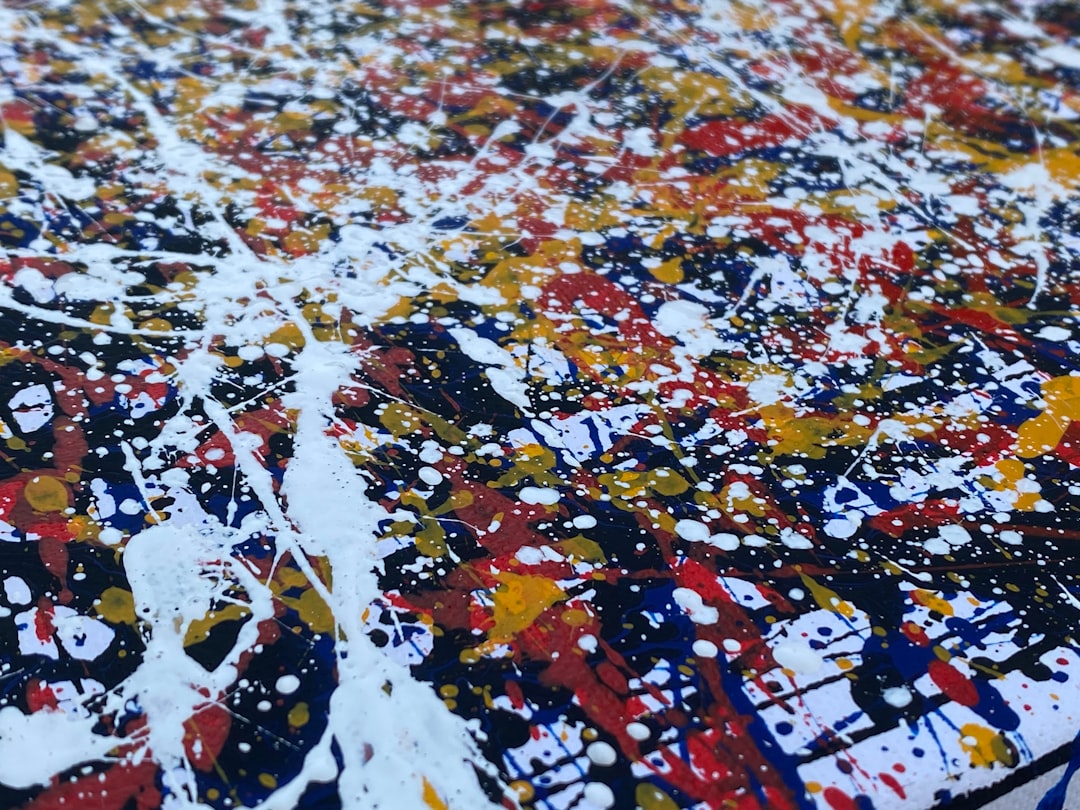
Interior design has shifted dramatically over the past decade. Homes, offices, studios, cafes, and retail environments are no longer just functional spaces, they are visual statements. People want walls that tell stories, spark emotion, and reflect personal taste. This is where canvas printing and stretching has become a cornerstone of modern wall decor. It bridges the gap between traditional art and contemporary design, offering a refined yet accessible way to display images, illustrations, photography, and branded visuals.
Canvas artwork feels timeless. It carries the texture and depth associated with fine art, yet it adapts effortlessly to modern aesthetics. Unlike standard paper prints or framed posters, canvas creates a soft, gallery style presence that integrates naturally into almost any environment. When done professionally, it enhances color accuracy, improves longevity, and elevates the perceived value of the artwork itself.
This guide explores everything you need to know about canvas printing and stretching, from materials and techniques to creative applications and long term care. Whether you are a homeowner decorating your living room, a business owner curating a brand focused space, or a creative professional seeking high quality presentation, understanding this process helps you make confident, informed decisions.
Canvas printing refers to the process of transferring a digital image onto canvas fabric using specialized large format printers. Unlike paper, canvas is a textured textile material that absorbs ink differently, producing depth, warmth, and subtle tonal variation. This quality makes images appear more artistic rather than flat or glossy.
Modern printing technology has transformed what is possible with canvas. High resolution printers combined with pigment based inks deliver excellent sharpness, rich blacks, and fade resistant colors. This ensures that artwork retains its vibrancy for many years, even in well lit spaces.
One of the main reasons canvas printing has become so popular is versatility. Canvas works equally well for photography, abstract art, illustrations, typography, landscapes, and even corporate branding. It suits minimalist interiors, classic decor styles, and bold contemporary spaces.
Another major advantage is the absence of glass. Traditional framed prints often suffer from glare, reflections, and fragility. Canvas eliminates these issues while still offering a premium finish. This makes it ideal for busy homes, public spaces, and commercial interiors where durability matters.
Canvas also provides flexibility in size. From small accent pieces to large statement walls, canvas prints can be scaled without losing impact. Multi panel layouts, panoramic formats, and custom dimensions are all achievable with professional printing.
Stretching is the step that transforms a printed canvas into a finished piece of wall art. After printing, the canvas is carefully wrapped around a wooden frame, commonly known as stretcher bars. This process creates tension across the surface, ensuring the artwork remains smooth, flat, and visually balanced.
Professional stretching requires precision. The canvas must be pulled evenly from all sides to avoid ripples, sagging, or distorted edges. Corners are folded neatly, maintaining clean lines and structural integrity. When done correctly, stretching enhances the overall appearance and longevity of the artwork.
The quality of stretcher bars plays a crucial role. Well constructed frames are typically made from kiln dried wood to prevent warping over time. They are designed to keep the canvas taut while allowing minor adjustments if needed in the future.
Edge finishing is another important aspect. Gallery wrap styles extend the image around the sides of the frame, creating a seamless, frameless look. Alternatively, solid color or mirrored edges provide a clean border that keeps the focus on the main image. Each option influences the final aesthetic and should be chosen based on design goals.
Stretching also makes canvas prints ready to hang. Most professionally stretched pieces include hanging hardware, eliminating the need for additional framing. This convenience appeals to both residential and commercial clients seeking efficient installation.
Not all canvas prints are created equal. The materials used during printing and stretching directly impact durability, appearance, and overall value.
High quality canvas is typically made from cotton, polyester, or a blend of both. Cotton offers a traditional, natural texture favored by fine art photographers and painters. Polyester provides increased strength and resistance to environmental factors. Blended canvases combine the best of both, offering texture with improved stability.
The weight of the canvas matters as well. Heavier canvas feels more substantial and resists stretching fatigue over time. It also enhances color saturation and depth.
Pigment based inks are the industry standard for professional canvas printing. They penetrate the fibers of the canvas and prints bond securely, resulting in excellent color accuracy and fade resistance. This is especially important for pieces displayed in bright rooms or commercial environments.
Dye based inks may appear vibrant initially but tend to fade more quickly. For long term display, pigment inks are the preferred choice.
Many canvas prints receive a protective coating after printing. This coating shields the surface from UV light, moisture, and minor abrasions. It also enhances color richness and makes the canvas easier to clean.
Matte coatings reduce glare and preserve a soft, artistic look. Satin finishes add subtle sheen without overwhelming reflections. The choice depends on lighting conditions and personal preference.
Choosing the right image is only the beginning. To truly maximize the impact of canvas printing and stretching, thoughtful design considerations are essential.
High resolution images produce sharper, more detailed prints. As a general rule, images should be at least 150 to 300 pixels per inch at the intended print size. Enlarging low resolution images can result in softness or visible pixelation.
Professional print providers often review files and recommend adjustments to ensure optimal output. This step protects your investment and guarantees satisfying results.
Canvas absorbs ink differently than glossy photo paper. Colors may appear slightly softer or warmer. Proper color calibration and proofing help maintain accuracy. Subtle adjustments to contrast and saturation often enhance final results.
Black and white images are particularly striking on canvas. The texture adds depth and character, making monochrome photography feel timeless and sophisticated.
Scale plays a powerful role in visual impact. Large canvases create focal points, while smaller pieces add accent and balance. Consider wall dimensions, viewing distance, and surrounding furniture when selecting size.
Multi panel arrangements, such as triptychs or grid layouts, introduce movement and modern flair. These configurations work especially well in open plan spaces or long corridors.
Canvas printing and stretching serves a wide range of purposes across different environments.
In homes, canvas art personalizes space. Family portraits, travel photography, abstract designs, and inspirational quotes all translate beautifully onto canvas. Living rooms benefit from statement pieces, bedrooms feel calmer with soft imagery, and kitchens gain warmth through subtle visuals.
Because canvas does not require glass, it feels less formal and more inviting. This makes it suitable for everyday living areas where comfort and style coexist.
Businesses use canvas art to reinforce branding, inspire employees, and create welcoming environments for clients. Custom prints featuring company values, landscapes, or abstract designs enhance office aesthetics without overwhelming the space.
Reception areas, meeting rooms, and hallways benefit from cohesive visual themes. Canvas also absorbs light rather than reflecting it, making it ideal for spaces with overhead lighting.
Hotels, restaurants, and retail stores rely heavily on ambiance. Canvas artwork contributes to atmosphere while remaining durable and low maintenance. The absence of glass reduces risk in high traffic areas.
Retail spaces often use canvas to display lifestyle imagery that aligns with brand identity. This approach feels more authentic than traditional signage.
Understanding how canvas compares to alternative display methods helps clarify its value.
Paper posters are affordable but lack durability and depth. They often require frames, which add cost and visual bulk. Over time, paper may yellow or wrinkle.
Acrylic prints offer high gloss and sharpness, but they can feel cold or overly modern in some settings. They are also heavier and more expensive.
Metal prints deliver bold colors and contemporary appeal, yet they lack the tactile warmth of canvas. Scratches and dents are more noticeable on metal surfaces.
Canvas strikes a balance. It provides texture, depth, and a classic feel while remaining versatile enough for modern design trends. This balance explains its enduring popularity.
Some clients even blend formats thoughtfully, pairing canvas pieces with framed photography or sculptural elements. When curated carefully, mixed media displays feel dynamic rather than chaotic.
Proper care extends the life of canvas prints and preserves their appearance.
Avoid direct exposure to intense sunlight for prolonged periods. While protective coatings offer UV resistance, consistent exposure can still cause gradual fading.
Maintain stable humidity levels. Excess moisture may loosen canvas tension, while extremely dry conditions can make fabric brittle.
Cleaning should be gentle. A soft, dry cloth removes dust effectively. Avoid using water, chemicals, or abrasive materials on the surface.
If a canvas loosens slightly over time, many stretcher frames allow for minor tension adjustments. Professional print providers can also re stretch canvases if necessary.
Sustainability has become increasingly important in printing and decor. Many print providers now offer eco friendly canvas materials, water based inks, and responsibly sourced wood frames.
Choosing durable, long lasting artwork reduces waste. Canvas prints that remain relevant and visually appealing for years minimize the need for frequent replacement.
Supporting local or regional print studios also lowers transportation impact and promotes craftsmanship. These considerations align aesthetics with environmental responsibility.
Trends evolve, but canvas remains adaptable. Current preferences include minimalist compositions, muted color palettes, and organic textures. Abstract landscapes and line art are especially popular.
Personal storytelling through imagery continues to gain momentum. People display moments that matter, from family milestones to travel experiences, transforming walls into visual narratives.
There is also renewed interest in nostalgic themes. Vintage photography, retro illustrations, and curated references like movie posters australia appear in home theaters and entertainment rooms, adding character and cultural context.
Despite changing trends, canvas maintains relevance by accommodating both subtle and bold expressions. Its flexibility allows artists and designers to experiment without sacrificing elegance.
Selecting a reliable provider is crucial for achieving professional results. Look for studios that specialize in canvas printing and stretching and offer clear information about materials, inks, and finishing options.
Experienced providers often assist with file preparation, color correction, and sizing recommendations. This guidance ensures your artwork translates beautifully from screen to canvas.
Reviews, samples, and portfolio examples help evaluate quality. A reputable provider stands behind their work and prioritizes customer satisfaction.
One thing to watch is transparency. Clear pricing, turnaround times, and revision policies indicate professionalism and trustworthiness.
Beyond aesthetics, canvas art influences mood and perception. Textured surfaces soften visual impact, creating warmth and depth. This makes spaces feel more inviting and human.
Art displayed on canvas often feels more personal and intentional than mass produced decor. It signals care, creativity, and individuality.
For many people, choosing canvas over other formats is about emotional resonance rather than practicality alone. The medium connects modern printing technology with traditional artistic sensibility.
This connection explains why canvas remains a preferred choice across cultures and design styles. It supports self expression while enhancing everyday environments.
Canvas art has evolved into a powerful design tool, blending craftsmanship, technology, and creativity. From image selection to material quality and professional stretching, every step contributes to the final impact. When done well, canvas printing and stretching transforms images into enduring visual statements that elevate any space.
Whether you are refreshing your home, enhancing a workspace, or curating a commercial interior, canvas offers versatility, durability, and timeless appeal. Thoughtful design choices and trusted print partners ensure results that inspire for years to come.